

Why Lubricant Safety Matters More Than You Think
Lubrication is often treated like an optional extra—something you grab when needed and forget when you don’t. But in reality, it plays a far more important role in protecting your body, maintaining comfort, and preventing long-term irritation or damage.
Friction might sound harmless, but your body tells a different story.
Without proper lubrication, repeated friction can lead to:
- Micro-tears in sensitive tissue, which increase vulnerability to irritation and infection
- Inflammation and soreness, especially in delicate areas
- Disrupted natural moisture balance, making future dryness more likely
- Higher risk of bacterial or yeast imbalance, particularly for those prone to sensitivity
Think of it like driving a car without oil. It might still run—for a while—but the internal wear adds up quickly, and the damage is often invisible until it becomes uncomfortable.
That’s where body-safe lubricants step in. They don’t just enhance comfort—they act as a protective barrier, reducing strain on the body and supporting a healthier, more balanced experience.
But here’s the catch: not all lubricants are created equal.
Some formulas support your body. Others quietly work against it.
This guide is built to help you understand the difference—with a focus on clean ingredients, material safety, and long-term body care, so you can make choices that feel good now and later.
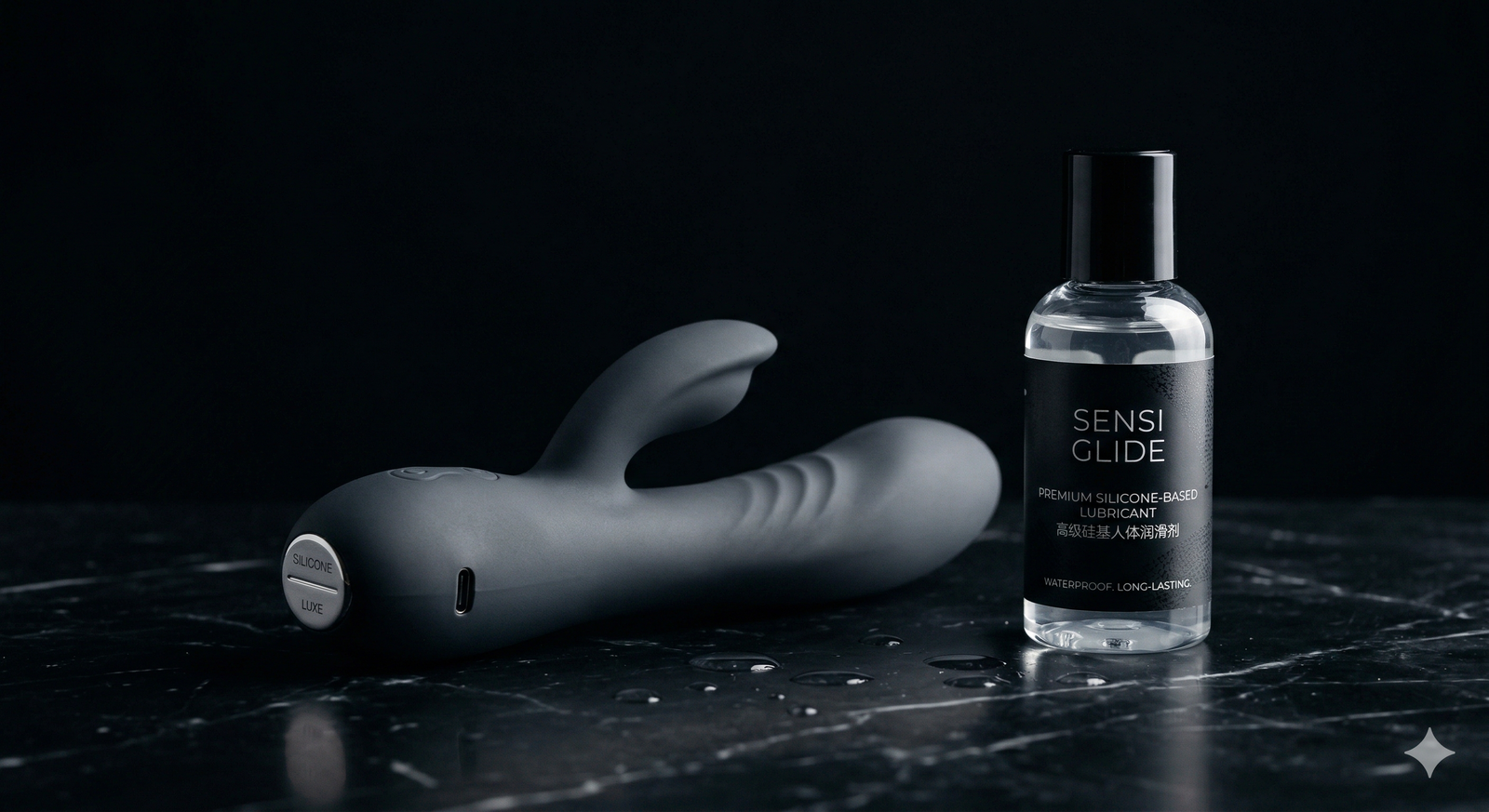
Featured Snippet: What Is the Safest Type of Lubricant?
- Water-based lubricants: Best for everyday use, sensitive skin, and easy cleanup
- Silicone-based lubricants: Best for long-lasting performance and low-friction environments
- Body-safe lubricants: Free from harmful additives, pH-balanced, and designed to support natural body function
What Does “Body-Safe Lubricant” Actually Mean?
The term “body-safe” gets used a lot—but in high-quality formulations, it’s rooted in real science.
Key Criteria for Body Safety
A truly body-safe lubricant is designed to work with your body, not against it. That means:
- pH-Balanced Formulation
Especially important for vaginal health, where even small imbalances can lead to discomfort or infection. - Osmolality Awareness
High-osmolality lubricants can pull moisture out of your cells, leaving tissue drier and more prone to irritation. - Non-Toxic Ingredients
No harsh chemicals, no unnecessary irritants. - Skin Compatibility
Designed for repeated contact with sensitive areas without causing inflammation.
Ingredients to Avoid (Red Flags)
Not all labels are transparent, but here are some common ingredients worth watching:
- Parabens – controversial preservatives linked to sensitivity concerns
- Artificial fragrances – frequent triggers for irritation
- Petroleum-based ingredients – can trap bacteria and disrupt natural balance
- High glycerin content – may contribute to yeast imbalance in some individuals
A clean formula doesn’t need to be complicated—it just needs to be intentional.
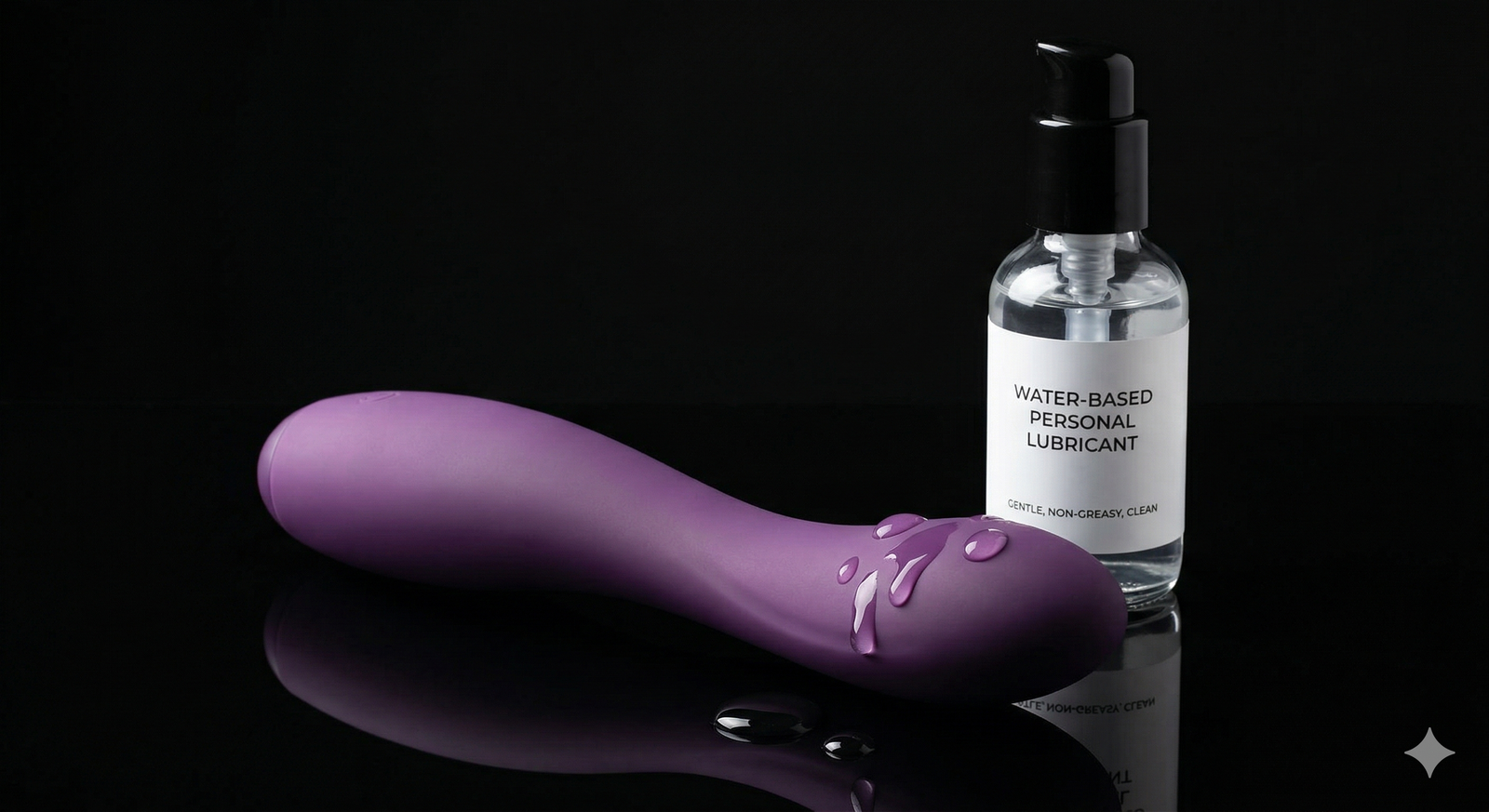
Water-Based Lubricants: The Everyday Essential
If lubricants had a “daily driver,” water-based formulas would take the title.
Why People Choose Water-Based
- Lightweight and natural-feeling
- Compatible with most materials
- Easy to clean—no residue, no staining
- Ideal for sensitive skin and beginners
It’s the kind of option that quietly does its job without making a fuss.
Where It Falls Short
- Evaporates faster than other types
- May require reapplication during extended use
This isn’t a flaw so much as a trade-off for its simplicity and skin-friendly nature.
Best Use Cases
- Daily use and regular routines
- Sensitive or reactive skin
- Situations where easy cleanup matters
Silicone-Based Lubricants: The Long-Lasting Performer
If water-based is the minimalist, silicone-based is the endurance athlete.
Why Silicone Stands Out
- Long-lasting glide that doesn’t dry out quickly
- Water-resistant, making it ideal for showers or baths
- Creates a silky barrier that significantly reduces friction
It’s designed for situations where consistency matters more than convenience.
Limitations to Consider
- Requires soap and water to fully clean
- Not compatible with certain silicone materials
- Can feel heavier for some users
Best Use Cases
- Extended sessions
- High-friction scenarios
- Water environments (showers, baths, pools)
Water vs. Silicone: A Practical Comparison
| Feature | Water-Based | Silicone-Based |
|---|---|---|
| Skin Sensitivity | Excellent | Very good |
| Longevity | Moderate | High |
| Cleanup | Very easy | Requires effort |
| Texture | Light, natural | Smooth, silky |
| Daily Use | Ideal | Situational |
The choice isn’t about “better” or “worse”—it’s about what your body needs in that moment.
Hygiene & Maintenance: Protecting Your Body Long-Term
Choosing the right lubricant is only part of the equation. How you use and maintain it matters just as much.
Before Use
- Check ingredient labels carefully
- Perform a quick patch test if you have sensitive skin
- Avoid expired products
After Use
- Clean the area gently but thoroughly
- Remove any residue to prevent buildup
- Stay mindful of how your body responds
Storage Tips
- Keep products in a cool, dry place
- Avoid contamination (no contact with unclean surfaces)
- Always close the container properly
A good lubricant supports your body. A well-maintained routine keeps it that way.
Common Mistakes That Can Harm Your Health
Even with good intentions, small missteps can lead to discomfort.
- Using household oils not designed for body-safe use
- Ignoring early signs of irritation
- Mixing incompatible products
- Using expired or poorly stored lubricants
Your body tends to whisper before it complains. Listening early makes all the difference.

How to Choose the Right Lubricant for Your Body
There’s no universal answer—only better matches.
Ask yourself:
- Do I have sensitive skin? → Lean toward water-based, minimal ingredients
- Do I need long-lasting performance? → Silicone-based may be better
- Will cleanup be a concern? → Water-based keeps things simple
- Am I using it frequently? → Prioritize gentle, body-compatible formulas
The right choice feels almost invisible—like it was designed specifically for you.
Expert Insight: Why Quality Matters More Than Price
Not all lubricants are created with the same level of care.
Lower-cost formulas often:
- Use cheaper preservatives
- Ignore pH balance
- Prioritize texture over safety
Higher-quality options focus on:
- Skin compatibility
- Ingredient transparency
- Long-term health impact
In other words, you’re not just paying for how it feels—you’re investing in how your body responds over time.
FAQ: Body-Safe Lubricants Explained
Q1: Can lubricants cause infections?
A:Poor-quality or incompatible lubricants can disrupt natural balance, increasing the risk of irritation or infection.
Q2: Is glycerin always bad?
A:Not always. Some people tolerate it well, but those prone to yeast infections may prefer glycerin-free formulas.
Q3: How often should I replace lubricant products?
A:Follow expiration dates and discard if you notice changes in smell, texture, or color.
Q4: Can I use one lubricant for everything?
A:Water-based lubricants are the most versatile, but specific situations benefit from silicone-based performance.

