
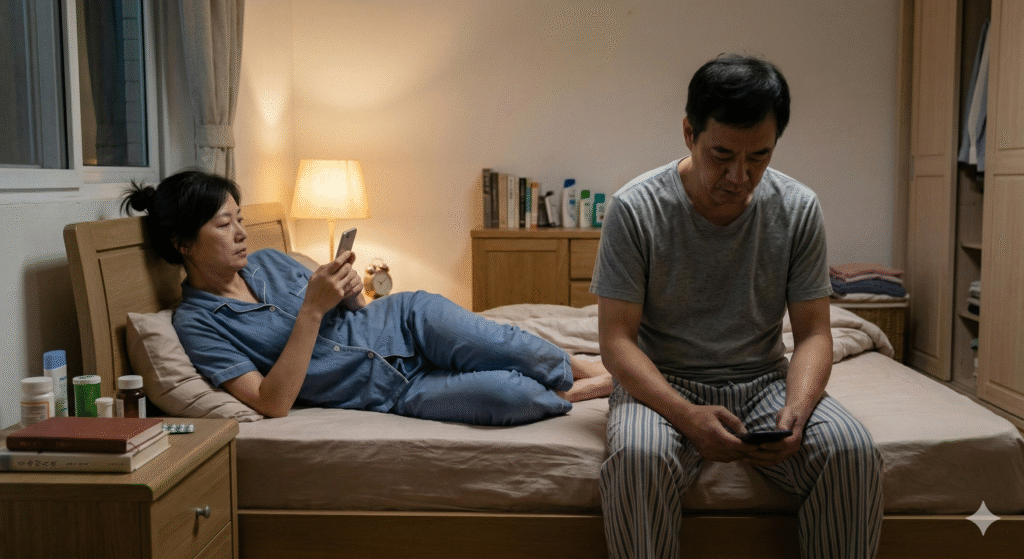
Featured Snippet
Can sexual wellness improve after 30?
Yes. Sexual wellness after 30 can improve significantly with the right approach. Research shows that optimizing hormone health, improving blood flow, strengthening pelvic muscles, reducing stress, and rebuilding emotional intimacy can restore desire, performance, and satisfaction—often to levels higher than in your 20s.
Why Sexual Wellness Changes—And Why It’s Fixable
Turning 30 doesn’t mean your sex life declines—it means your body starts operating differently.
Hormonal rhythms shift. Stress accumulates. Relationships stabilize. And most importantly, your nervous system becomes less responsive to the kind of stimulation that once worked effortlessly.
Here’s the problem: most people interpret these changes as permanent decline.
They’re not.
What’s actually happening is a mismatch between your current biology and your old habits. The people who maintain—or even improve—their sexual wellness after 30 are not “luckier.” They simply adapt.
This guide breaks down what’s really changing in your body and gives you a structured, evidence-informed path to reclaim intimacy—physically, mentally, and emotionally.

What Actually Changes After 30
Hormonal Shifts
Testosterone and estrogen don’t suddenly crash, but they do gradually decline. Even small changes can affect:
- Libido and spontaneous desire
- Arousal speed
- Recovery time after sex
For men, lower testosterone can reduce erection quality and stamina. For women, estrogen shifts can impact natural lubrication and sensitivity.
Blood Flow and Sensitivity
Sexual response is largely a vascular event. Reduced circulation means:
- Less firm erections
- Slower arousal
- Decreased genital sensitivity
This isn’t dysfunction—it’s physiology. And it’s highly reversible with the right interventions.
Stress and Mental Load
Chronic stress increases cortisol, which directly suppresses sexual desire.
After 30, life tends to include:
- Career pressure
- Financial responsibilities
- Long-term relationship dynamics
The brain doesn’t separate stress from intimacy—it prioritizes survival over pleasure.
Relationship Familiarity
Long-term partners often experience:
- Reduced novelty (lower dopamine)
- Predictable patterns
- Less anticipation
Desire thrives on variation. Stability, while emotionally valuable, can dull sexual excitement if not intentionally balanced.

The 4 Pillars of Sexual Wellness After 30
1. Hormonal and Physical Health Optimization
This is the foundation. Ignore it, and everything else becomes a workaround.
What actually works:
- Sleep (7–9 hours): Deep sleep is where testosterone is produced and the nervous system resets.
- Strength training: Proven to support hormone production and improve circulation
- Diet: Healthy fats, zinc, and vitamin D directly influence hormone levels
- Sunlight exposure: Supports circadian rhythm and endocrine function
When to seek medical insight:
- Persistent fatigue
- Noticeable libido drop
- Erectile or arousal issues lasting more than a few months
Blind supplementation is a mistake. Testing beats guessing.
2. Pelvic Floor and Sexual Function Training
Most people completely ignore this—and it shows.
The pelvic floor controls:
- Erection strength
- Ejaculatory control
- Orgasm intensity
- Vaginal tone and responsiveness
For men:
- Targeted pelvic contractions improve erection rigidity and stamina
For women:
- Strengthening and relaxing the pelvic floor enhances sensitivity and orgasm quality
Critical mistake to avoid:
Over-tightening. A constantly tense pelvic floor can reduce pleasure and even cause discomfort.
Balance matters more than strength.
3. Rewiring Arousal and Desire
This is where modern habits quietly damage sexual performance.
High-frequency stimulation (especially digital content) can lead to:
- Increased stimulation thresholds
- Reduced responsiveness to real-life intimacy
- Delayed arousal
What actually helps:
- Stimulus variation: Change pace, environment, and sensory input
- Reduce overstimulation: Give your brain space to reset
- Slow down arousal: Build anticipation instead of rushing intensity
Desire isn’t just physical—it’s neurological. If you train your brain for instant gratification, real intimacy starts to feel underwhelming.
4. Emotional and Psychological Intimacy Reset
You can’t separate emotional safety from physical response.
When trust and connection are strong:
- The nervous system relaxes
- Arousal increases naturally
- Pleasure becomes easier to access
Practical shifts:
- Introduce non-sexual touch (hugging, holding, skin contact)
- Communicate preferences without pressure
- Create intentional time for intimacy—not just spontaneous attempts
The goal isn’t more sex. It’s better conditions for desire to exist.
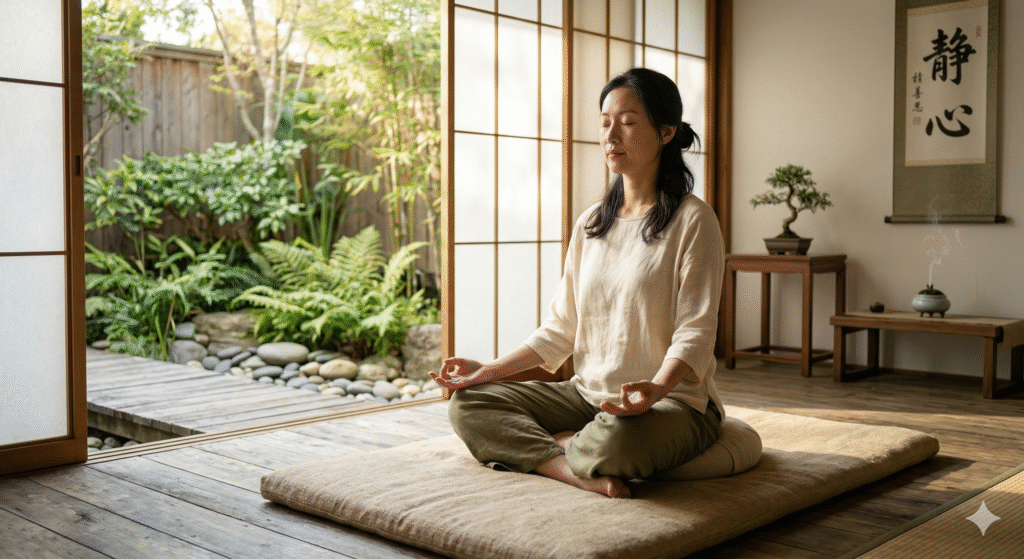
Real-World Intimacy Scenarios
Scenario 1: “We’re Too Tired”
This isn’t about libido—it’s energy mismanagement.
Fix:
- Shorter, intentional intimacy windows
- Prioritize timing (not late-night exhaustion)
- Focus on quality over duration
Scenario 2: Mismatched Desire
One partner wants more than the other.
Fix:
- Build a middle ground: sensual, low-pressure experiences
- Remove the expectation that every interaction leads to sex
Desire grows when pressure drops.
Scenario 3: Long-Term Relationship Plateau
Everything works—but nothing feels exciting.
Fix:
- Change context, not just technique
- New environments, different pacing, altered routines
Novelty triggers dopamine. Dopamine fuels desire.
When to Seek Professional Help
There’s a point where optimization becomes treatment.
Consider professional support if you experience:
- Persistent erectile difficulties
- Ongoing pain during sex
- Sudden or extreme loss of libido
- Emotional distress tied to intimacy
Relevant professionals include:
- Primary care physicians
- Urologists or gynecologists
- Certified sex therapists
- Mental health professionals
Ignoring these signs delays recovery.

Common Myths That Undermine Sexual Confidence
“It’s normal for sex to decline after 30.”
No. It’s common—but preventable.
“More frequency means better sex life.”
Quality and engagement matter more than numbers.
“You just need stronger stimulation.”
Overstimulation is often the problem—not the solution.
A Practical Action Plan
Weeks 1–2: Reset the Foundation
- Improve sleep consistency
- Reduce stress load
- Limit overstimulation
Weeks 3–4: Rebuild Physical Response
- Start pelvic floor exercises
- Introduce varied sensory experiences
Weeks 5+: Upgrade Intimacy
- Focus on emotional connection
- Create intentional intimacy routines
- Experiment with context and pacing
Consistency beats intensity.
Conclusion: This Is Not Decline—It’s a System Upgrade
Sexual wellness after 30 isn’t about reclaiming your past. It’s about building something better.
When you understand how your body, brain, and relationships evolve, you stop reacting—and start optimizing.
The people who experience the best intimacy in their 30s, 40s, and beyond aren’t relying on luck. They’re working with their biology, not against it.

FAQ: Sexual Wellness After 30
Q1:Is it normal for libido to decrease after 30?
It’s common, but not inevitable. Most decreases are linked to stress, lifestyle, or hormonal shifts—not age alone.
Q2:Can erectile function or arousal improve naturally?
Yes. Improved blood flow, pelvic training, better sleep, and reduced stress can significantly enhance performance without medication.
Q3:How often should couples have sex after 30?
There is no ideal number. Satisfaction depends more on connection, communication, and mutual desire than frequency.
Q4:Does long-term relationship reduce sexual attraction?
It can reduce novelty, but attraction can be rebuilt through intentional variation and emotional reconnection.
Q5:When should I see a doctor about sexual issues?
If problems persist for several months, worsen over time, or cause distress, professional evaluation is recommended.
Q6:Can lifestyle really impact sexual performance that much?
Yes. Sleep, exercise, diet, and stress management directly affect hormones, blood flow, and neurological arousal pathways.

